Visa services
Visa requirements for Indian passport holders
An Indian passport does not meet one set of rules — it meets seven. Some countries want nothing from you. Some want a form filled in the night before. Some want three months of bank statements and an interview. Knowing which category your destination falls into is most of the work, and it is the first thing this page tells you.
Every rule below is taken from a government primary source — an embassy, an immigration department, or the official application portal — and each country guide carries that source and the date we last checked it. Rules change without notice, so a date is worth more than a confident sentence.
Entry type
Region
25 of 25 destinations
 eVisa
eVisaAustralia
Oceania
Visitor visa (subclass 600) online
Online application
3, 6 or 12 months as granted
Read the full guide →
 eVisa
eVisaAzerbaijan
Caucasus
ASAN e-Visa in ~3 days
Online application
30 days single entry
Read the full guide →
 eVisa
eVisaCambodia
Asia
e-Visa · USD 36 · 30 days
Online application
Up to 30 days, single entry
Read the full guide →
 Embassy / sticker visa
Canada
Americas
Visitor visa (TRV)
Full embassy file
Up to 6 months per entry
Read the full guide →
 Conditional entry
Georgia
Caucasus
Visa-free with valid US/UK/EU/GCC visas; e-Visa otherwise
Depends on your documents
90 days (visa-waiver route) or per e-Visa
Read the full guide →
 ETA / travel authorisation
Hong Kong
Asia
Free Pre-arrival Registration (PAR)
Short online form
Up to 14 days per visit; PAR valid 6 months, multiple visits
Read the full guide →
 Visa on arrival
Indonesia (Bali)
Asia
Visa on arrival (or e-VoA online)
Sorted at the airport
30 days, extendable once
Read the full guide →
 Embassy / sticker visa
Japan
Asia
Sticker visa via VFS
Full embassy file
Up to 90 days (single entry typical)
Read the full guide →
 ETA / travel authorisation
Kenya
Africa
eTA required · from USD 30
Short online form
Decided by the immigration officer on arrival
Read the full guide →
 Visa-free
Malaysia
Asia
Visa-free · 30 days
Nothing to apply for
Up to 30 days per visit (scheme runs to 31 Dec 2026)
Read the full guide →
 Visa-free
Mauritius
Asia
Free entry on arrival
Nothing to apply for
Commonly 60 days granted on arrival; extensions at PIO, Port Louis
Read the full guide →
 Visa-free
Nepal
Asia
No visa · no time limit
Nothing to apply for
No limit for Indian nationals (Indo-Nepal Treaty, 1950)
Read the full guide →
 Embassy / sticker visa
New Zealand
Oceania
Visitor visa online
Full embassy file
Up to 9 months
Read the full guide →
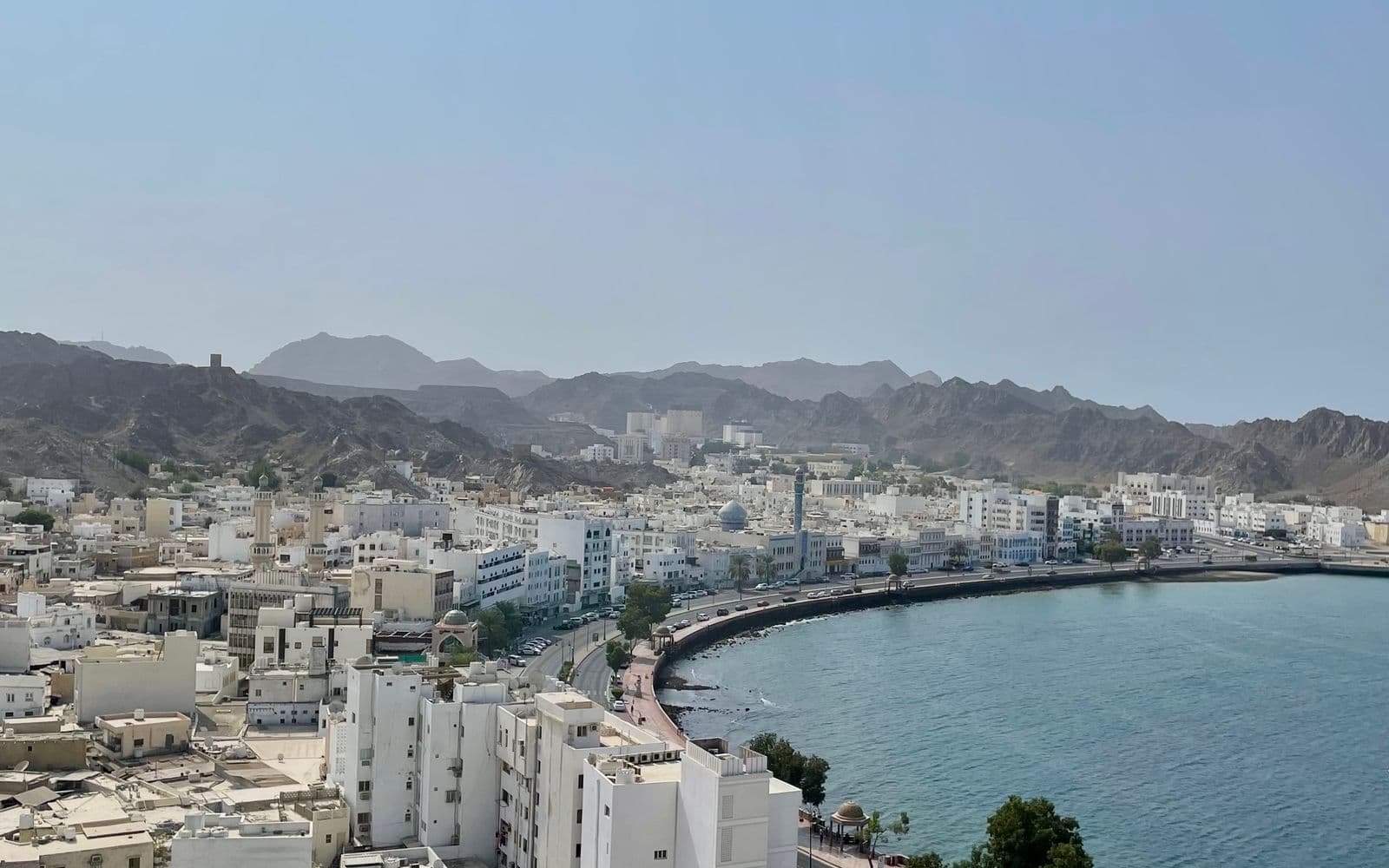 Conditional entry
Oman
Middle East
Visa-free 14 days for eligible Indians; eVisa otherwise
Depends on your documents
14 days visa-free (conditions) or per eVisa
Read the full guide →
 Visa-free
Philippines
Asia
Visa-free · 14 days
Nothing to apply for
14 days (30 with valid AJACSSUK visa/residence)
Read the full guide →
 Conditional entry
Saudi Arabia
Middle East
eVisa for eligible profiles; embassy visa otherwise
Depends on your documents
Per visa grant
Read the full guide →
 Embassy / sticker visa
Schengen area
Europe
Sticker visa via VFS/consulate
Full embassy file
Up to 90 days in any 180
Read the full guide →
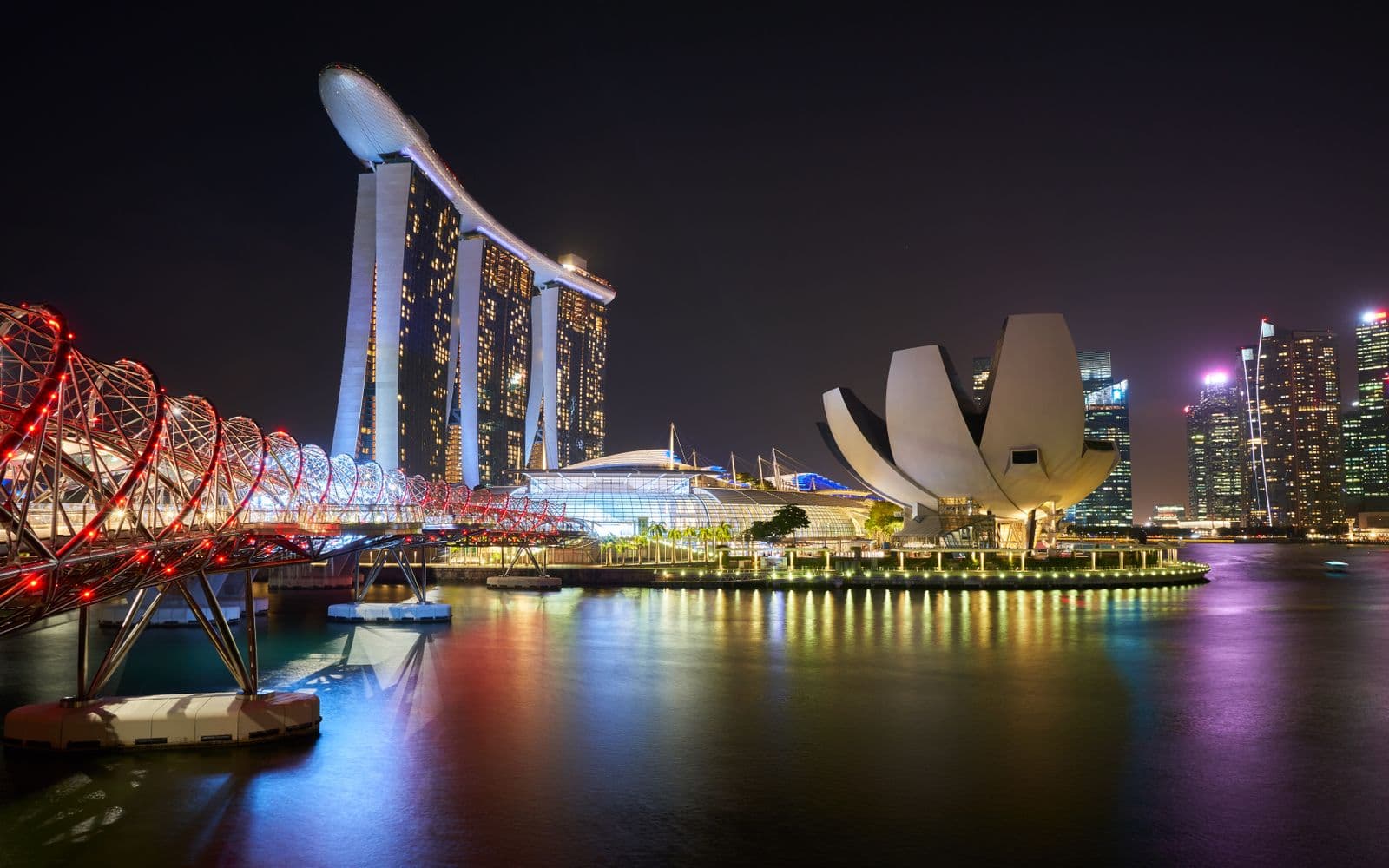 Embassy / sticker visa
Singapore
Asia
Visa required — authorised agents only
Full embassy file
Up to 30 days per entry (officer's discretion)
Read the full guide →
 ETA / travel authorisation
Sri Lanka
Asia
Free ETA before arrival
Short online form
Per ETA grant (double entry, 30 days typical)
Read the full guide →
 Rules in transition
Thailand
Asia
Visa-free today · moving to a 30-day exemption
Rules are changing
60 days right now; 30 days once the new framework starts
Read the full guide →
 Conditional entry
Türkiye
Middle East
e-Visa only with valid US/UK/Schengen/Irish visa
Depends on your documents
30 days single entry
Read the full guide →
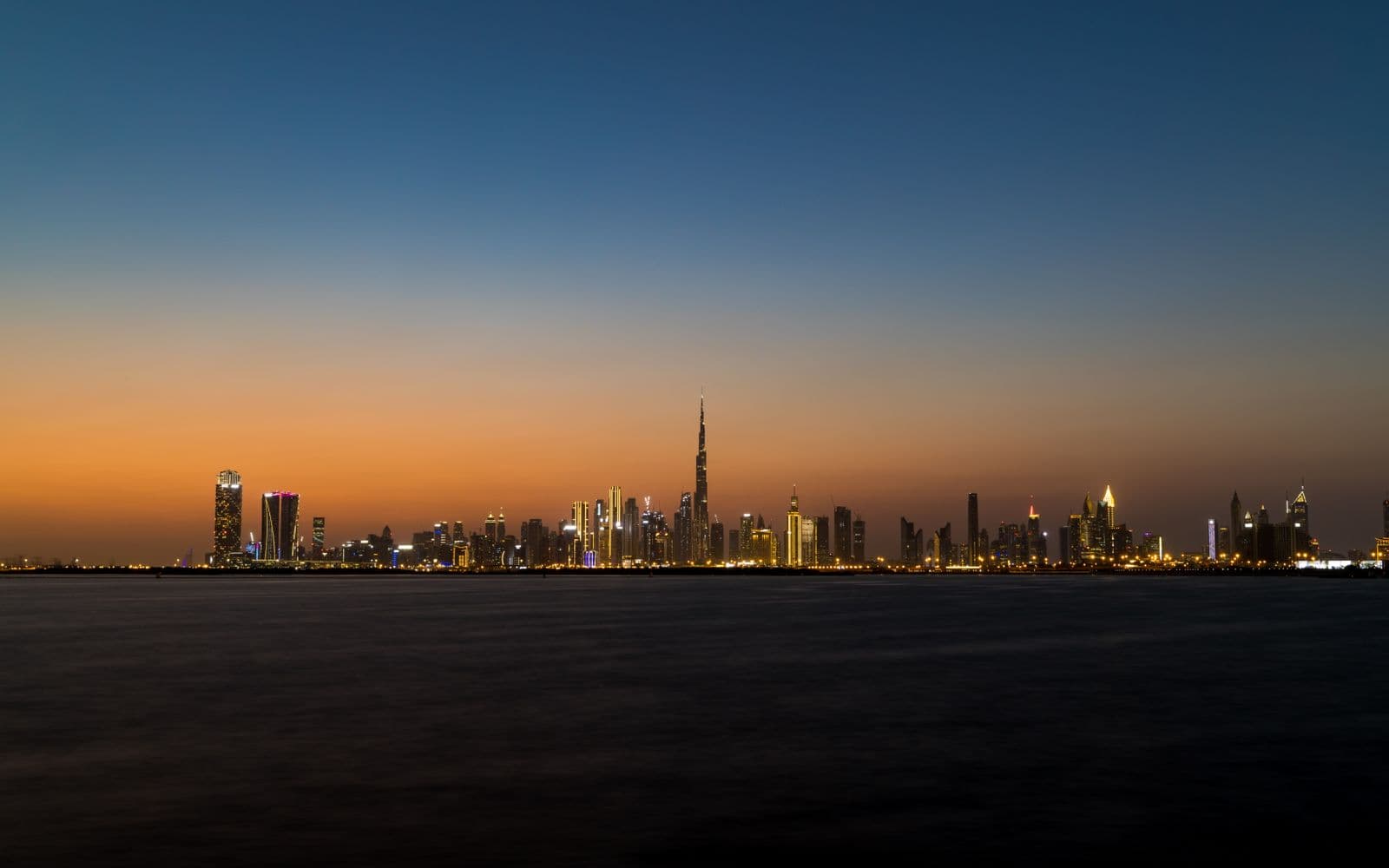 eVisa
eVisaUAE (Dubai)
Middle East
e-Visa before travel (VoA only with US/UK/EU visas)
Online application
30 days (single entry)
Read the full guide →
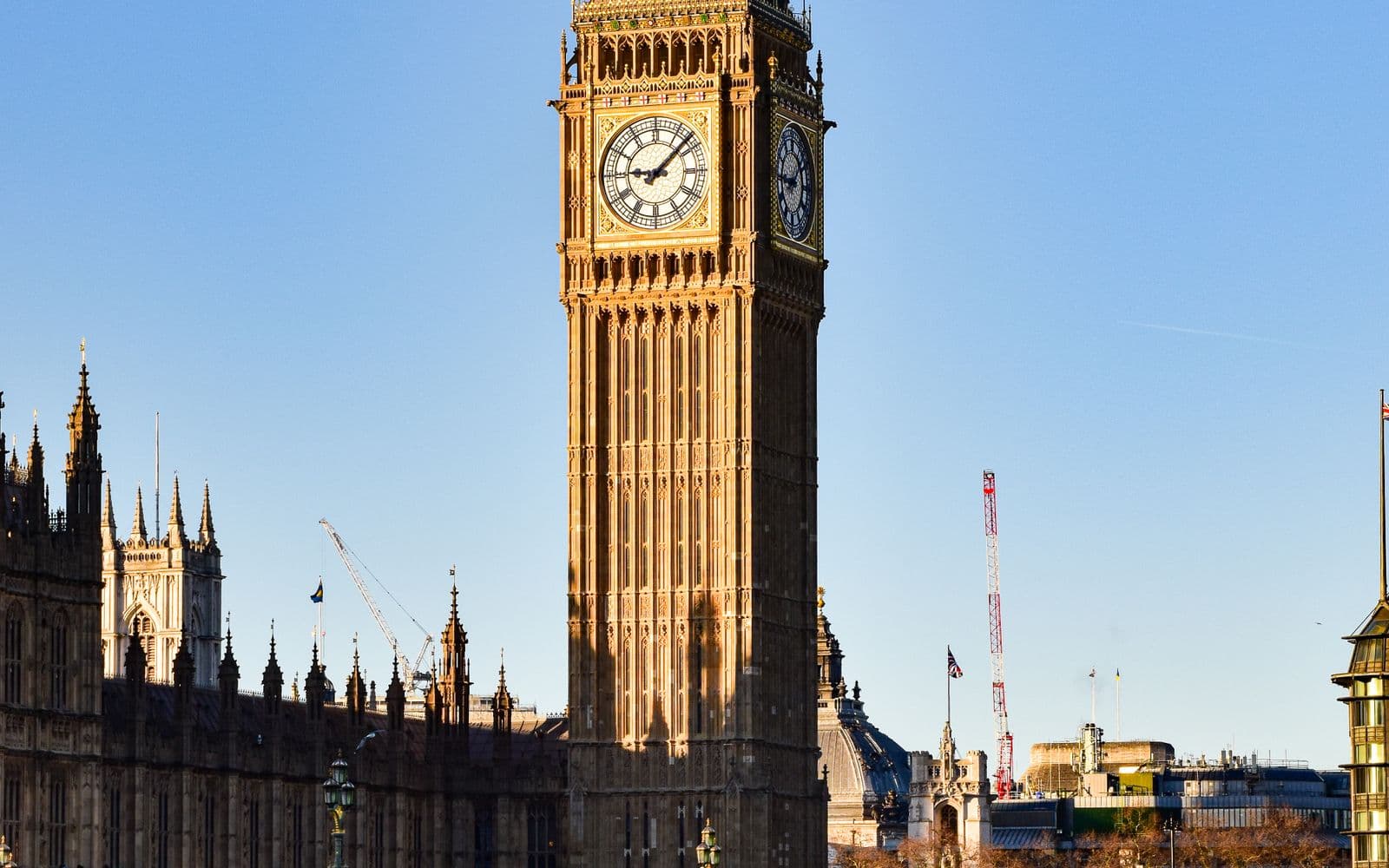 Embassy / sticker visa
United Kingdom
Europe
Standard Visitor visa
Full embassy file
Up to 6 months
Read the full guide →
 Embassy / sticker visa
United States
Americas
B1/B2 interview visa
Full embassy file
Per entry, officer's discretion (10-year visa typical)
Read the full guide →
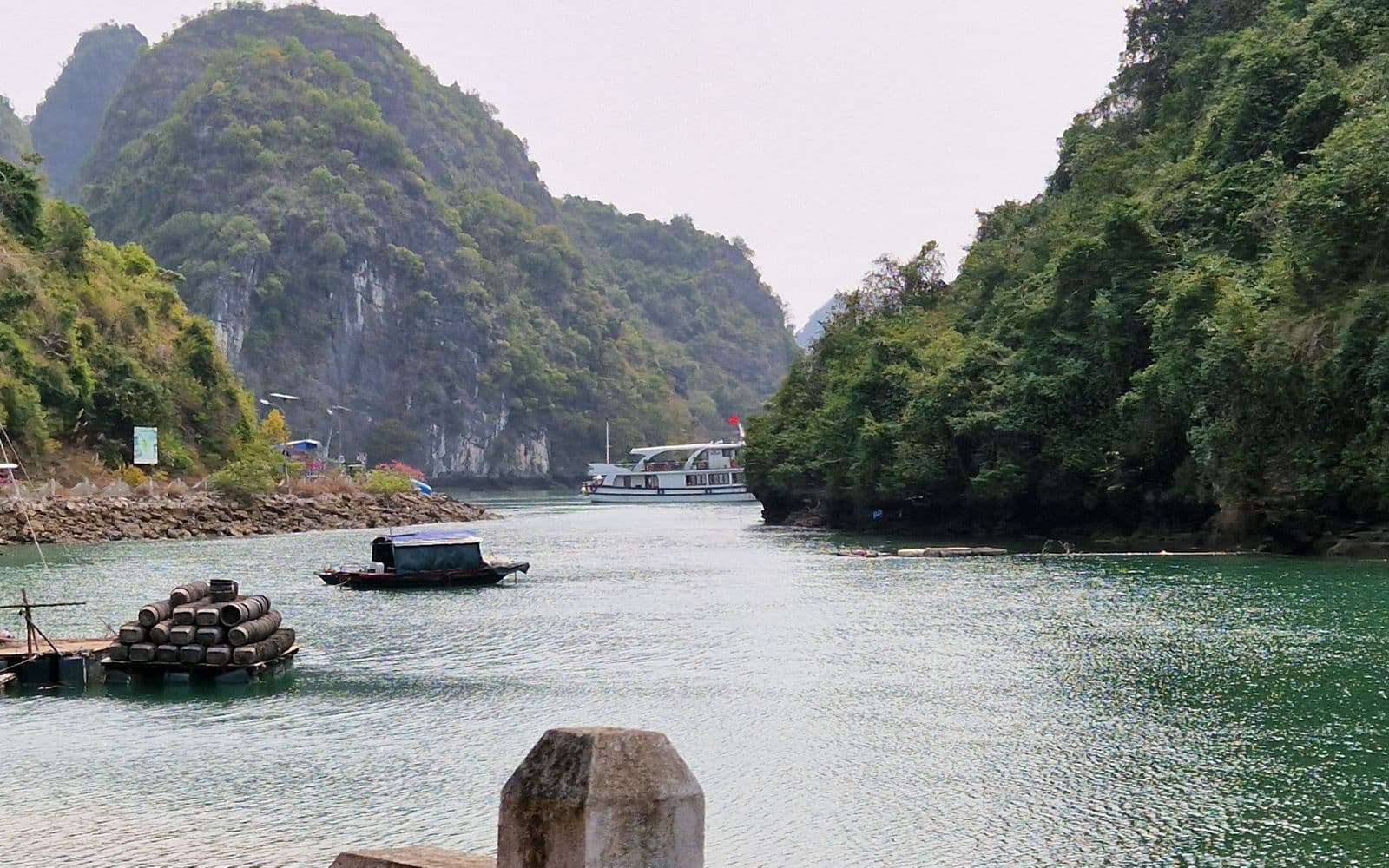 eVisa
eVisaVietnam
Asia
eVisa before travel
Online application
Up to 90 days (single or multiple entry)
Read the full guide →






















The six things “you need a visa” can actually mean
These words get used interchangeably by travel agents and they are not interchangeable. The difference decides how early you start and how much can go wrong.
- Visa-free
- Nothing to apply for. You board with your passport and are admitted at the border. Nepal is the strongest example for Indians — no visa, no fee, no form — though even here the ID you carry matters more than people expect.
- Visa on arrival
- You apply at the airport on landing, usually with cash and a photo. Convenient, but it puts the decision at the end of your flight rather than before it — and a queue at 2am is nobody's idea of a holiday.
- ETA / travel authorisation
- A travel authorisation, not a visa: a short online form approved before you fly. It is permission to travel, not permission to enter — the officer at the border still decides. Kenya replaced its visa with one of these in January 2024.
- eVisa
- A real visa, applied for online and approved before departure, usually as a PDF you print. Cambodia works this way. The process is simple; the photo specification is where most people trip.
- Embassy / sticker visa
- The full file: forms, financials, appointments, sometimes biometrics and an interview. Schengen, the UK, the US. This is the tier where preparation genuinely changes the outcome.
- The rules that sit next to the visa
- The rules that sit next to the visa. A mandatory arrival card that is free but still mandatory. A no-objection certificate needed to fly onward from a visa-free country. A yellow-fever certificate demanded because of where you transited, not where you are going. These are the ones that strand people at the gate, and they are on the country guides for a reason.
Country guides
Written from the official source, with the fee, the timeline, the document list and the caveat that is usually missing elsewhere.
How a Flynk visa file actually runs
1 · We check before you pay
You send the passport scan and your dates. We check eligibility, the current rule at the source, and whether anything in your profile is likely to cause a problem. If the file looks weak, you hear it here — not after the fee is spent.
2 · You get the exact number
The government fee and our service fee, itemised, in rupees, before anything is filed. Where a government charges in dollars, we tell you that the rupee amount moves with your card rate rather than pretending it is fixed.
3 · We file on the official portal
Never a reseller. You get the government reference number, because it is your application — not ours.
4 · You can see where it stands
Your Flynk account shows which documents we have asked for, what is under review, what was accepted, and — if something is rejected — the actual reason, so you can fix it instead of guessing.
More questions, answered
Flynk Tours is a private travel agency. We are not a government body and have no affiliation with any embassy, consulate or immigration department. We cannot influence a visa decision, and no agent can. Entry requirements change without notice — always check the official source linked on each country guide before you travel.


 France